
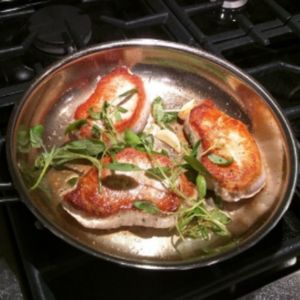
Why Shopbirdy Is Different
Most cookware sites review pans like fashion.
ShopBirdy reviews them like equipment.
Every recommendation here is built on three questions: How heat moves through the pan, how the surface releases delicate food, and how the pan behaves after months rather than minutes.
If a pan can’t handle eggs, it does not belong in your kitchen.
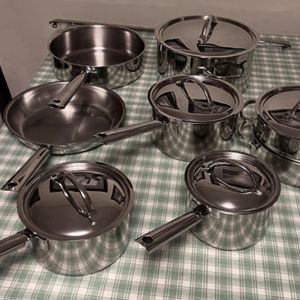
The Egg Authority
Eggs expose cookware flaws faster than anything else.
That’s why they’re the backbone of ShopBirdy.
Start with these core guides:
- How to Make a French Omelet
Master heat discipline, timing, and the roll—no browning, no panic. - Best Temperature for Scrambled Eggs
Why medium-low heat works, how thermal mass ruins eggs, and when to turn the burner off. - Best Nonstick Pan for Eggs
A surface-first review based on release, geometry, and forgiveness—not brand hype.
Cookware Materials & Heat Science
Marketing names don’t cook food—materials do.
These guides break down what actually matters when heat hits metal:
- Carbon Steel vs. Cast Iron
- PTFE vs. Ceramic (No fear-based nonsense)
- Titanium vs. “Diamond” coatings
- Why thick pans cook differently than thin ones
If you’ve ever wondered why one pan works and another doesn’t, this is where clarity starts.
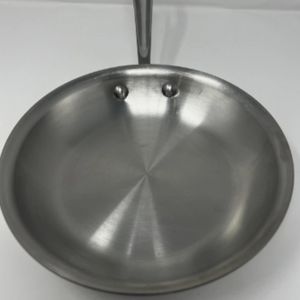
Care, Longevity & Reality Checks
Here’s how to keep pans working long-term:
- How to Remove Sticky Residue from Nonstick
- Can Nonstick Go in the Dishwasher? (The real answer)
- When a pan is actually “done” vs still recoverable
Good cookware isn’t fragile—but it does have rules.
Behind ShopBirdy
ShopBirdy is written and researched by Ro, published under the editorial byline Lily Clark.
There’s no test kitchen here. What there is instead is a consistent framework applied to every product — thermal mass, residual heat, surface wear, and timing, the variables most guides skip. Where an article uses commissioned test data, it says so. Where it doesn’t, it says that too.
ShopBirdy exists to replace myths with mechanics.
Posts
- GreenPan Searsmart vs Valencia Pro: Texture vs Smooth
- GreenPan Valencia Pro vs Reserve: Same Pan?
- GreenPan Lima vs Valencia Pro: We Tested Both Pans
- Zojirushi NS-ZCC10 vs NS-TSC10: We Tested Both
- Best Rice Cookers 2026: Beyond the Instant Pot
- Induction Cookware Guide: What Actually Works
- Best Hard Anodized Cookware Sets 2026: 5 Tested Picks
- Best Stainless Steel Cookware Sets 2026: 5 Tested Picks
- Tramontina vs All-Clad: Half the Price, Same Result?
- HexClad vs All-Clad: Which Pan Is Worth It?
- All-Clad D3 vs D5: Which Stainless Steel to Buy?
- All-Clad vs Calphalon Stainless Steel: Worth the Price?
- Best Pressure Cooker for Canning: USDA Rules & Safety
- Instant Pot Pro vs Duo Plus: Worth the $60 Upgrade?
- Instant Pot Duo vs Duo Plus: Worth the $30 Upgrade?
- Cosori Pressure Cooker Review: Worth $40 More Than IP?
- Breville Fast Slow Pro Review: Premium Worth It?
- Instant Pot Duo Crisp Review: Is the Air Fryer Lid Worth the Premium?
- 5 Best Ceramic Pans (2026): Why Most Fail at Month 12
- Carbon Steel vs. Stainless Steel: The 58-Second Recovery Test (2026)
- Lodge Cast Iron Skillet Review: Still the Best $30 Value in 2026?
- de Buyer Mineral B Review: The 14-Day Seasoning Test (2026)
- Matfer Bourgeat Carbon Steel Review: The Rivetless Advantage (2026)
- Lodge Carbon Steel Skillet Review: The 30-Day Seasoning Test
- Best Carbon Steel Pans : The 30-Cycle Seasoning Test
- How to Tell If Your Nonstick Pan Is Unsafe
- Nonstick vs Stainless Steel Pan: The Real Difference (2026 Guide)
- Can You Sear in a Nonstick Pan? The Science & The "Searing Tax"
- PFOA-free vs PTFE-free: Don't Fall for These Marketing Traps
- GreenPan Paris Pro vs Valencia Pro: Which is Best for 2026?
- Scanpan Classic Review: The Most Durable Nonstick? (2026 Test)
- All-Clad HA1 Review: The Best Nonstick Workhorse for 2026?
- Always Pan Review 2026: Real Performance vs. Instagram Hype
- HexClad Review 2026: Hybrid Tech vs. Real Cooking Reality
- Caraway Pan Review 2026: Is it Just Instagram Hype?
- Breville Hot Wok Pro Review: Real Stir-Fry Heat? (2026 Tests)
- GreenPan Valencia Pro Review (2026): Thermolon Tested
- The 15-Amp Kitchen Guide: How to Run High-Wattage Woks Safely
- Impact Bonded vs Direct Heating: The Engineering of Even Heat
- The Maillard Map: Tracking Electric Wok Heat Distribution
- Probe vs. Integrated Sensors: Why Cheap Electric Woks 'Cycle'
- Wattage Density & Heat Flux: Why 1500W Isn’t Enough for Searing
- The Physics of Wok Geometry: Why 22° is the Thermal Sweet Spot
- Electric Pot vs Traditional Wok: The Geometry Audit
- Stainless Steel vs. Cast Iron Electric Bases: Thermal Audit
- Ceramic vs PTFE: A One-Year Electric Wok Degradation Study
- How I Actually Test Electric Woks (And Why I Had to Learn the Hard Way)
- Electric Wok vs. Induction Wok: The Thermal Efficiency Audit
- Zojirushi EP-PBC10 Review: The Precision Skillet That Isn't a Wok
- Ovente Electric Wok Review (2026): Good Enough or Skip It?
- Aroma AEW-306 Review: The Honest 5-Quart Electric Wok Audit
- NuWave Mosaic Review: The Only Electric Wok That Actually Sears?
- Quick Release vs. Natural Release: Pressure Cooker Steam Release Methods
- Modern Pressure Cooker Safety Features: The Hardware Redundancy Audit
- How Long Do Pressure Cookers Last? (The Real Answer, Not the Warranty)
- Is Multi Cooker Air Fryer Lid Worth It? The Technical Hardware Audit
- Chef iQ vs. Instant Pot: The Best Smart Pressure Cooker Audit
- T-Fal Clipso vs. Instant Pot: The Electric vs. Stovetop Audit
- Ninja Foodi vs Instant Pot: The Brutal Hardware Audit
- Zojirushi vs Instant pot : Which Is Better for Rice?
- Stainless Steel vs Ceramic Inner Pot: Which One Should You Actually Buy?
- Best Pressure Cooker Accessories (A Technical Reliability Audit)
- 6-Quart vs. 8-Quart: The Technical Pressure Cooker Size Guide
- Best Pressure Cookers Under $100 (2026): 4 Tested and Ranked
- Best Small Electric Pressure Cooker for 1–2 People (The Physics Audit)
- Pressure Cooker Lid Won't Open? (Vacuum Lock vs. Pressure Fixes)
- When to Replace Pressure Cooker Gasket: The Science of Sealing
- How to Clean Pressure Cooker Sealing Rings: Removing Trapped Odors
- Pressure Cooker Leaking Steam from Valve? Signal vs. Symptom
- Instant Pot Burn Message: Why It Happens & How to Fix It
- Pressure Cooker Not Building Pressure? The Physics of Why It Won't Seal
- Best Size Nonstick Pan: 8, 10, or 12-Inch? (The Physics of Size)
- Cookware Set vs. Open Stock: Why Buying Individual Pans Wins
- What Is Pan Gauge? Why Thick Pans Cook Better (And Thin Ones Warp)
- Riveted vs Rivetless Handles: Which Is Better for Your Pan?
- $30 vs. $100 Nonstick Pan: Is the Price Difference Real?
- Perfect Fried Egg Technique | The "Controlled Aggression" Technique
- How to Make a French Omelet: The "No-Fail" Rolling Technique
- The Best Temperature for Scrambled Eggs (The "80%" Rule)
- How to Cook Eggs in Cast Iron Without Sticking (The Pro Way)
- The Truth About Titanium and Diamond Nonstick | Better or Just Marketing?
- How to Season Carbon Steel for Perfect Egg Release (The Pro Way)
- How to Cook Eggs in Stainless Steel Pan Without Sticking (Every Time)
- Carbon Steel vs. Cast Iron for Eggs: Which Seasons Faster?
- Best 12-Inch Nonstick Pan with Lid: Don't Buy the Wrong Size
- Best Induction Nonstick Pan: Tested for Buzzing & Searing
- How to Use T-fal Thermo-Spot Correctly (And Why You Might Be Using It Wrong)
- Tramontina vs Calphalon Nonstick: The Coating Durability Test
- Ozeri Stone Earth Review: Real Science Behind the Greblon C3+ Coating
- Are Dishwasher-Safe Nonstick Pans Really Safe?
- When to Replace a Nonstick Pan: Toxicity, Coating Flaws & Safety Signs
- How to Clean Sticky Residue From a Nonstick Pan | Restore Slipperiness Fast
- How to Care for Nonstick Pan: 7 Habits That Kill Your Pan in 6 Months
- PTFE vs Ceramic Nonstick: Honest Review, Safety & 1-Year Durability Test
- Best Nonstick Pans for Eggs 2026: Tested Over 14 Days
- T-Fal Pressure Cooker Review: Hands-On Tests & Top Picks
- Stainless Steel vs Hard Anodized Cookware: Honest Test Results
- Cuisinart MCP-12N Review (2026): Tested MultiClad Pro Set
- Best Electric Pressure Cookers 2026: 5 Tested & Ranked for Real Kitchens
- Best Electric Woks of 2026: The Thermal Recovery & Physics Audit
- Best Pots and Pans Sets: Tested and Ranked
- Instant Pot vs Rice Cooker: Which Makes Better Rice?
- T-Fal vs Calphalon Nonstick: Which One Actually Lasts?
ShopBirdy isn’t about owning more pans.
It’s about understanding heat.
Once you learn how temperature, timing, and materials interact, cooking stops feeling random—and most “bad cookware” problems disappear.
That’s the promise here.